
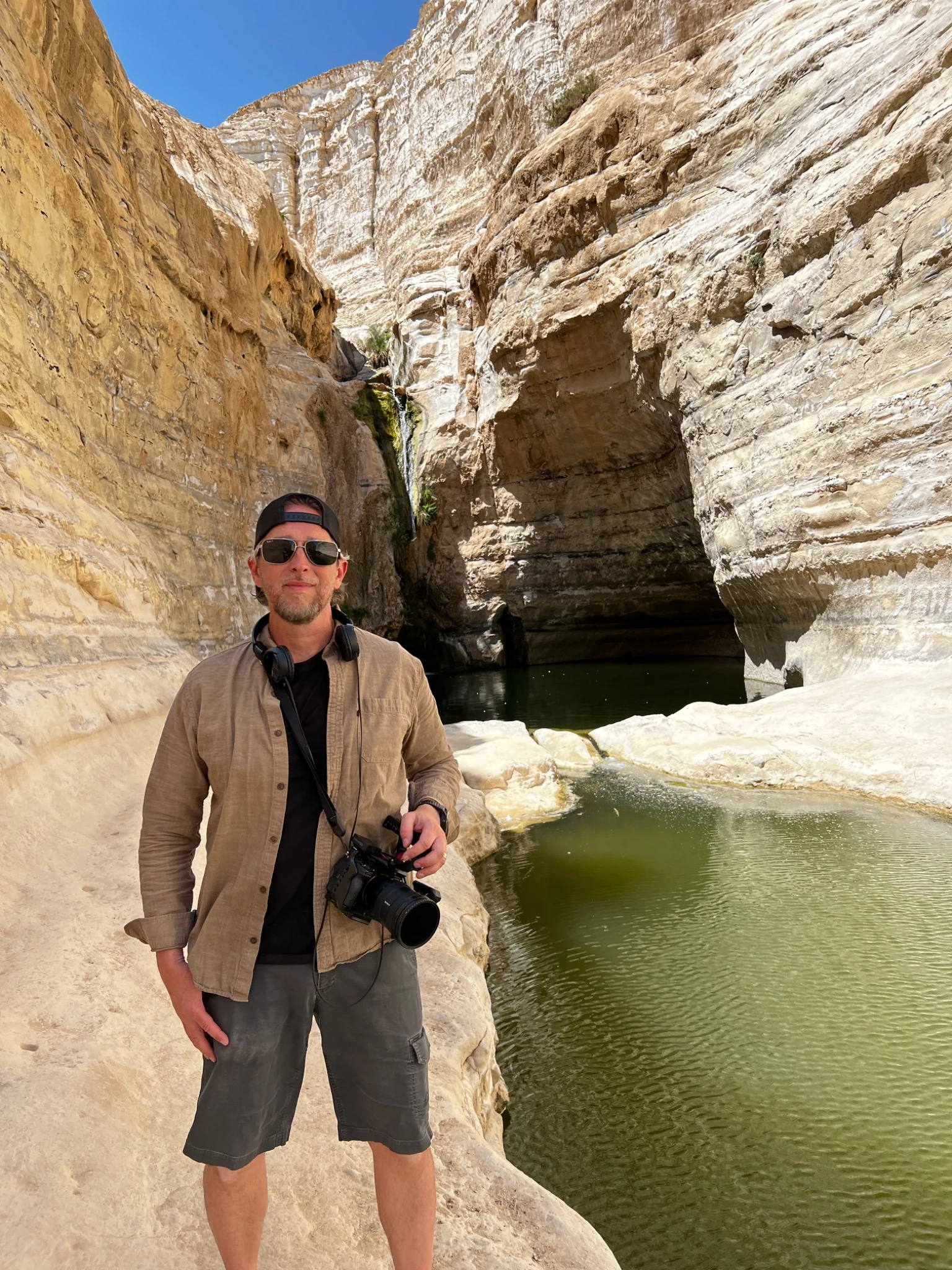
Filmmaker · Photographer · Storyteller
Going where the story takes him.
Chris Atkins is a Canadian filmmaker, producer, director, cinematographer, editor, photographer and narrator whose career has been built around going where the story takes him.
For more than three decades, that has meant working in some extraordinary places, from the frozen Russian Arctic and the deserts of the Middle East to conflict zones, archaeological sites, remote communities and the depths of the Atlantic Ocean.
His work has explored history, faith, archaeology, human rights, conflict and the lives of people rarely seen on screen. More recently, it has taken him beneath the water in search of shipwrecks, lost history and the real stories behind some of the world’s most enduring legends.
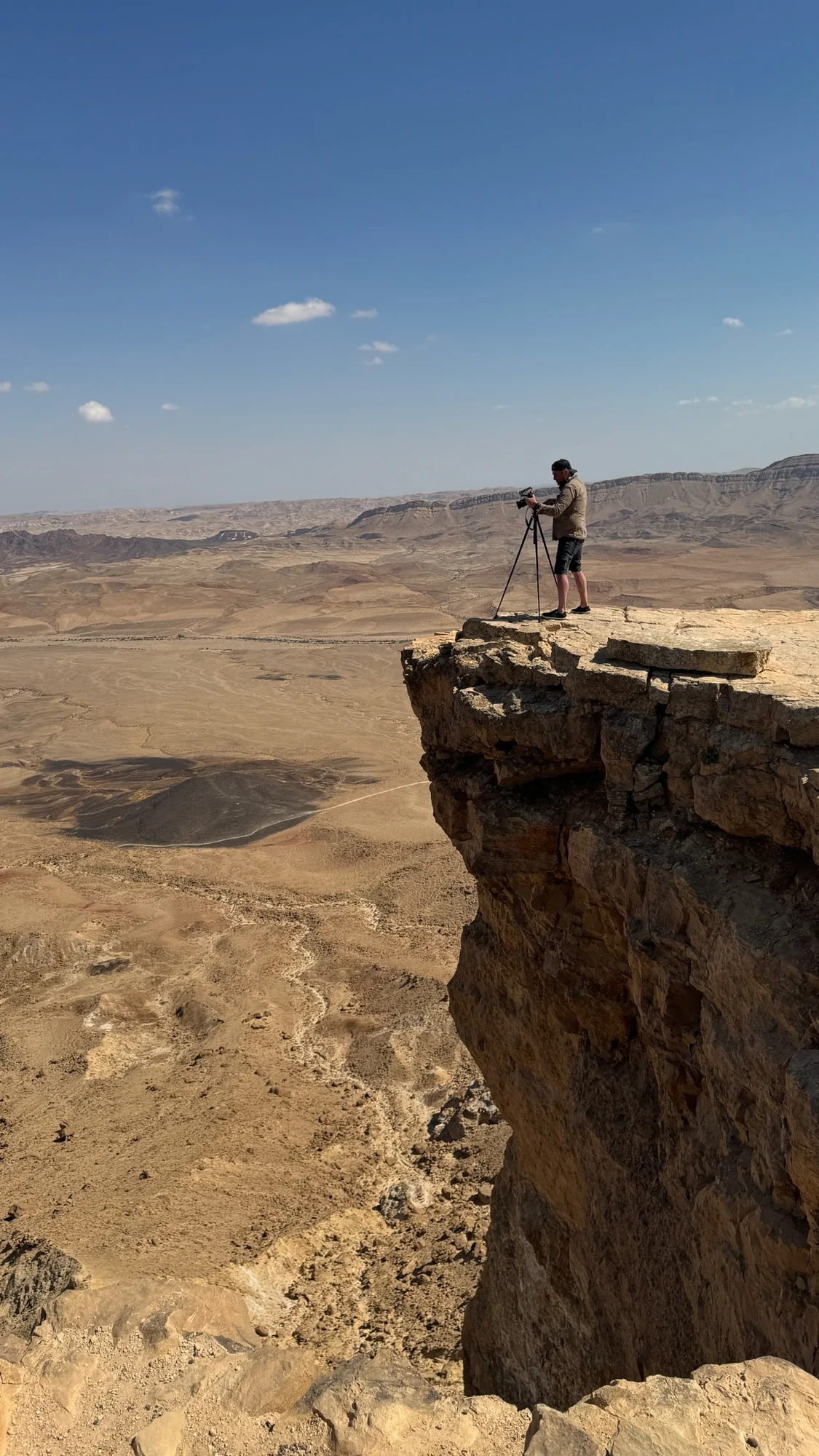
Atkins has always approached filmmaking from the field rather than from a distance. He is as comfortable operating a camera on the side of a mountain, underwater on a wreck site or in a remote village as he is directing an interview or shaping a documentary in the edit suite.
Going Where the Story Is
Small crews. Difficult places. Human stories.
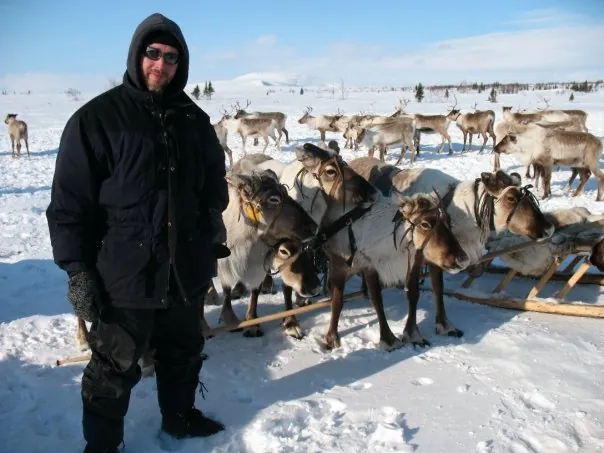
One of Atkins’ earliest major international projects took him deep into Siberia, where he lived and travelled with Indigenous reindeer herders in the Russian north.
It established a pattern that would continue throughout his career: small crews, difficult locations and a willingness to spend time with people and communities in order to understand the story from the inside.
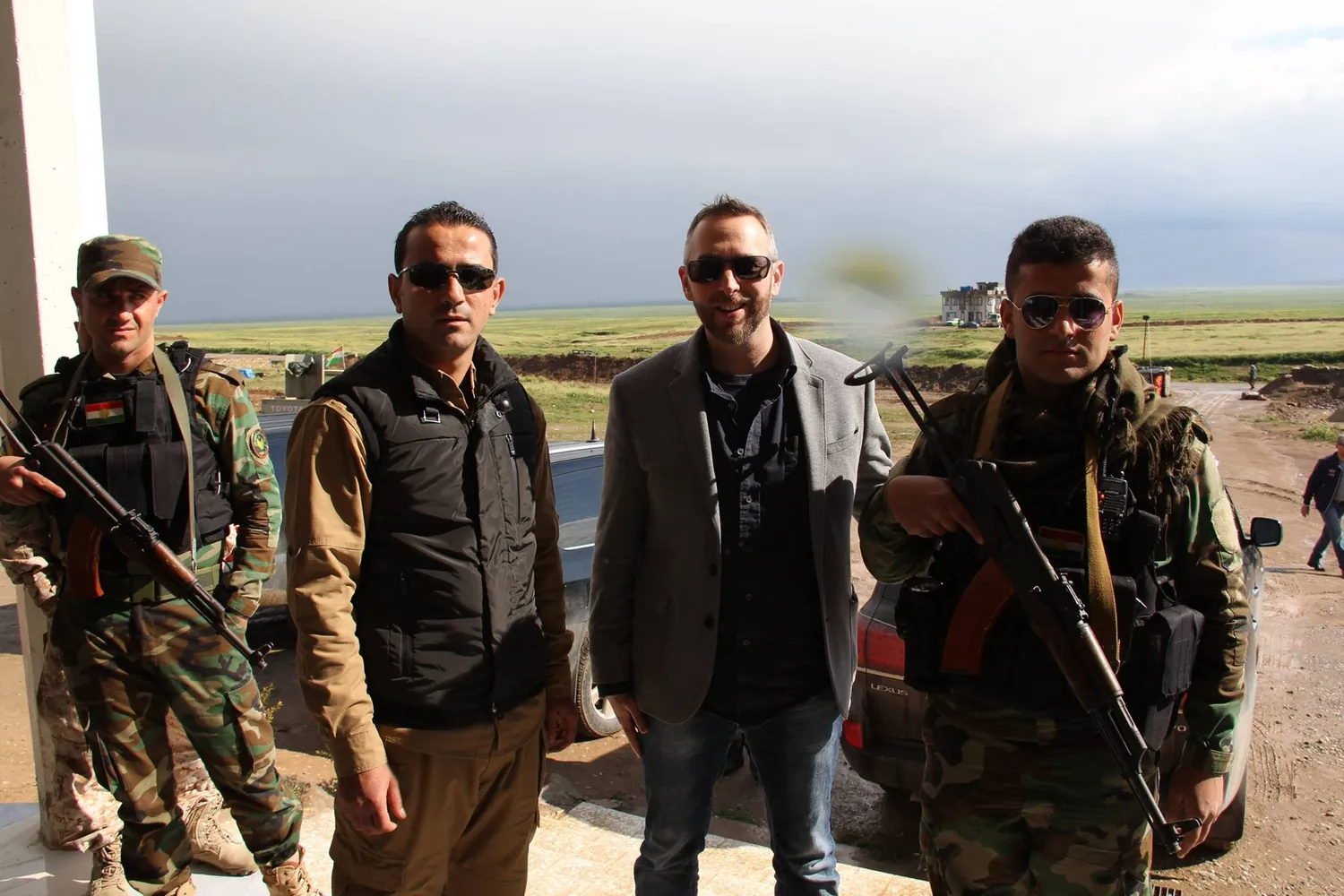
His documentary work later took him throughout Iraq, Afghanistan and Pakistan, where he filmed stories involving persecuted religious minorities, human-rights abuses and communities living under extreme political and social pressure.
Atkins has also worked extensively in Israel and throughout the Middle East, producing documentaries dealing with archaeology, religion, history and modern conflict.
His credits include projects such as Hijacking the Holy Land, Israel: A Journey Through Time, Unearthed, Freedom Fighter and numerous other documentary and television productions filmed internationally.
The subject matter has changed considerably from project to project, but the approach has remained remarkably consistent: go there, meet the people involved, put a camera on the ground and allow the story to reveal itself.
“Go there, meet the people involved, put a camera on the ground and allow the story to reveal itself.”
Dying To Live
A human story in the aftermath of October 7.
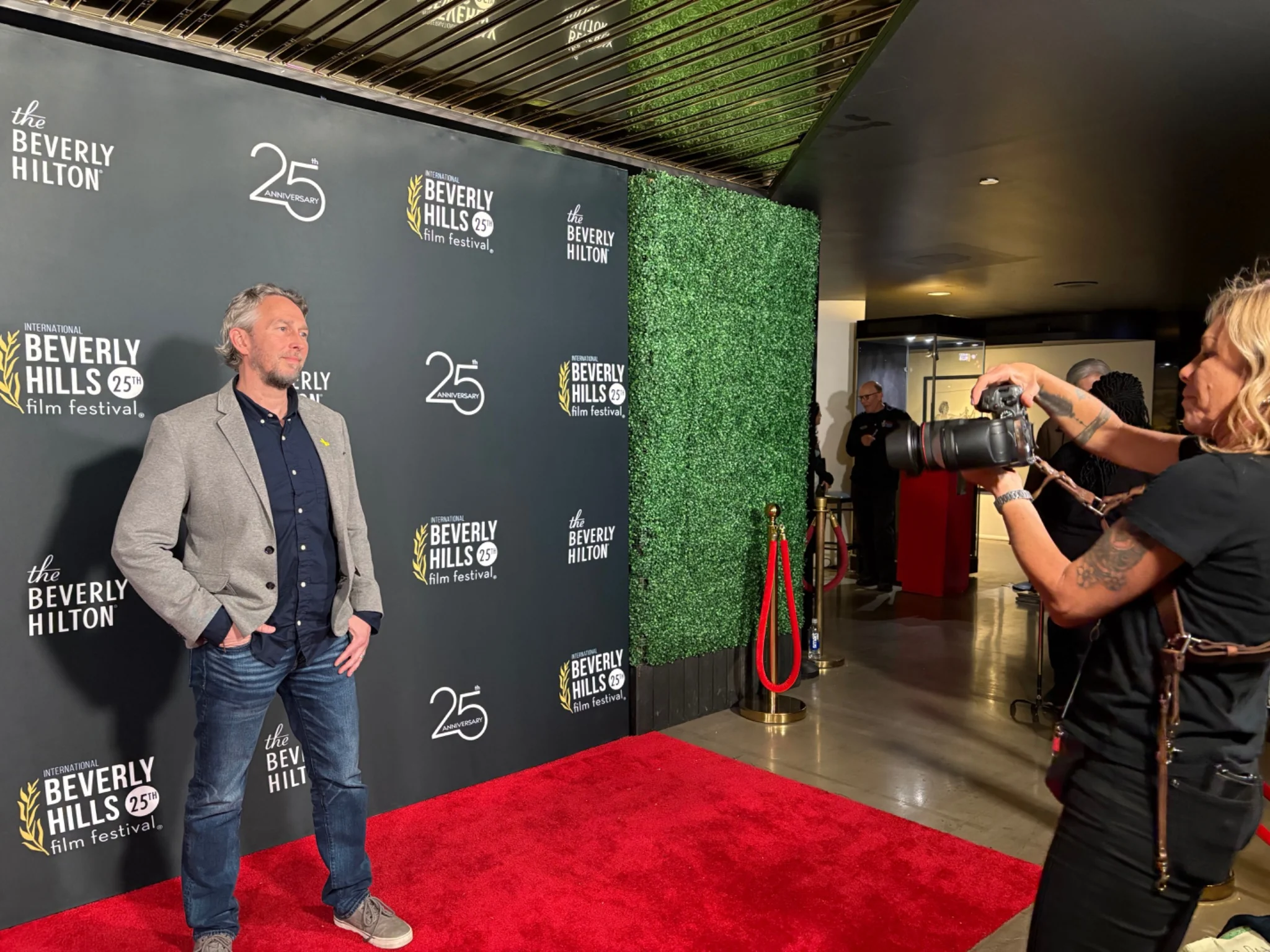
One of Atkins’ most personal recent projects is the feature documentary Dying To Live, created in the aftermath of the October 7 attacks in Israel.
The film examines the events and their human consequences through the perspective of people who travelled into Israel to witness what had happened and speak directly with survivors, families and others affected by the attacks.
Rather than approaching the story as a political argument, Atkins sought to document the human impact of the events and the experiences of those living through them.
Dying To Live was selected for the 25th Beverly Hills Film Festival and received three honours at the 46th Annual Telly Awards: Silver Telly Awards for Directing and Documentary, and a Bronze Telly Award in Film & Shorts.
The film has also received additional festival selections, nominations and recognition internationally.
Beneath the Surface
History changes when you can swim through it.
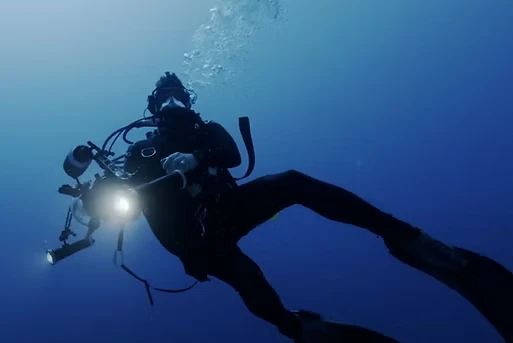
In recent years, Atkins’ filmmaking has increasingly intersected with another of his passions: scuba diving and underwater exploration.
Working with marine archaeologist Dr. Sean Kingsley and the team behind Wreckwatch, Atkins has helped bring archaeological expeditions and shipwreck investigations to a wider audience through documentary storytelling.
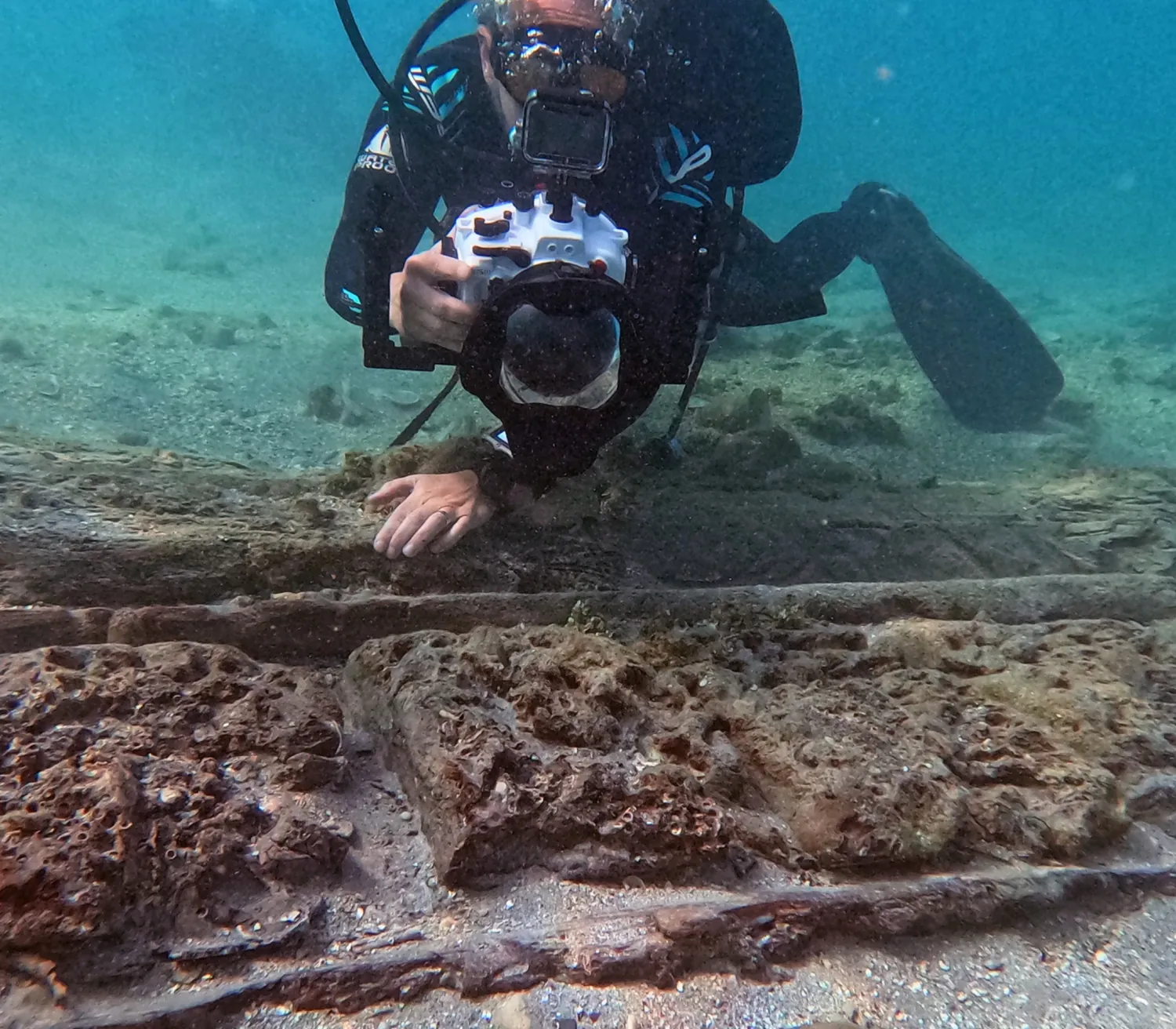
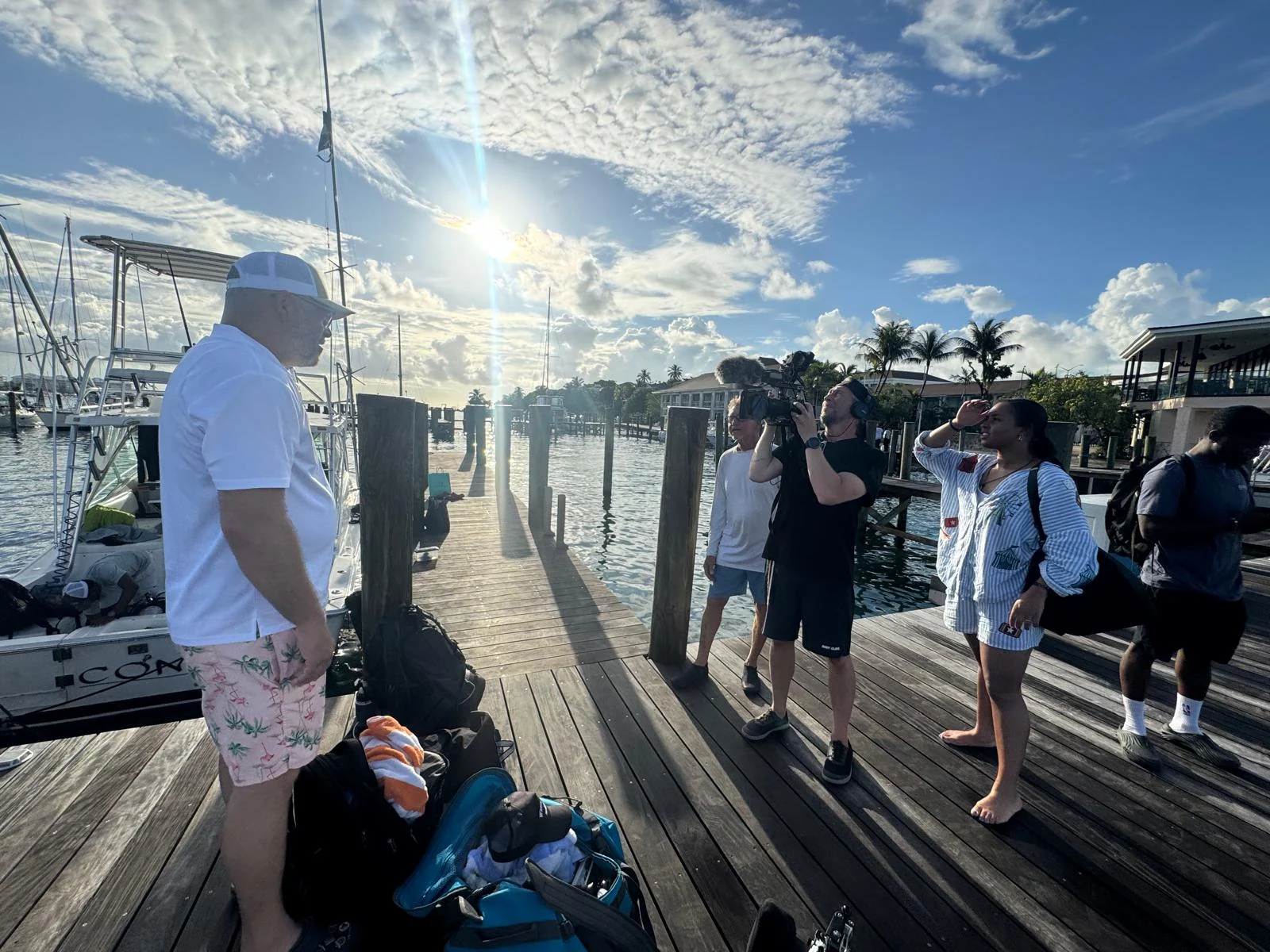
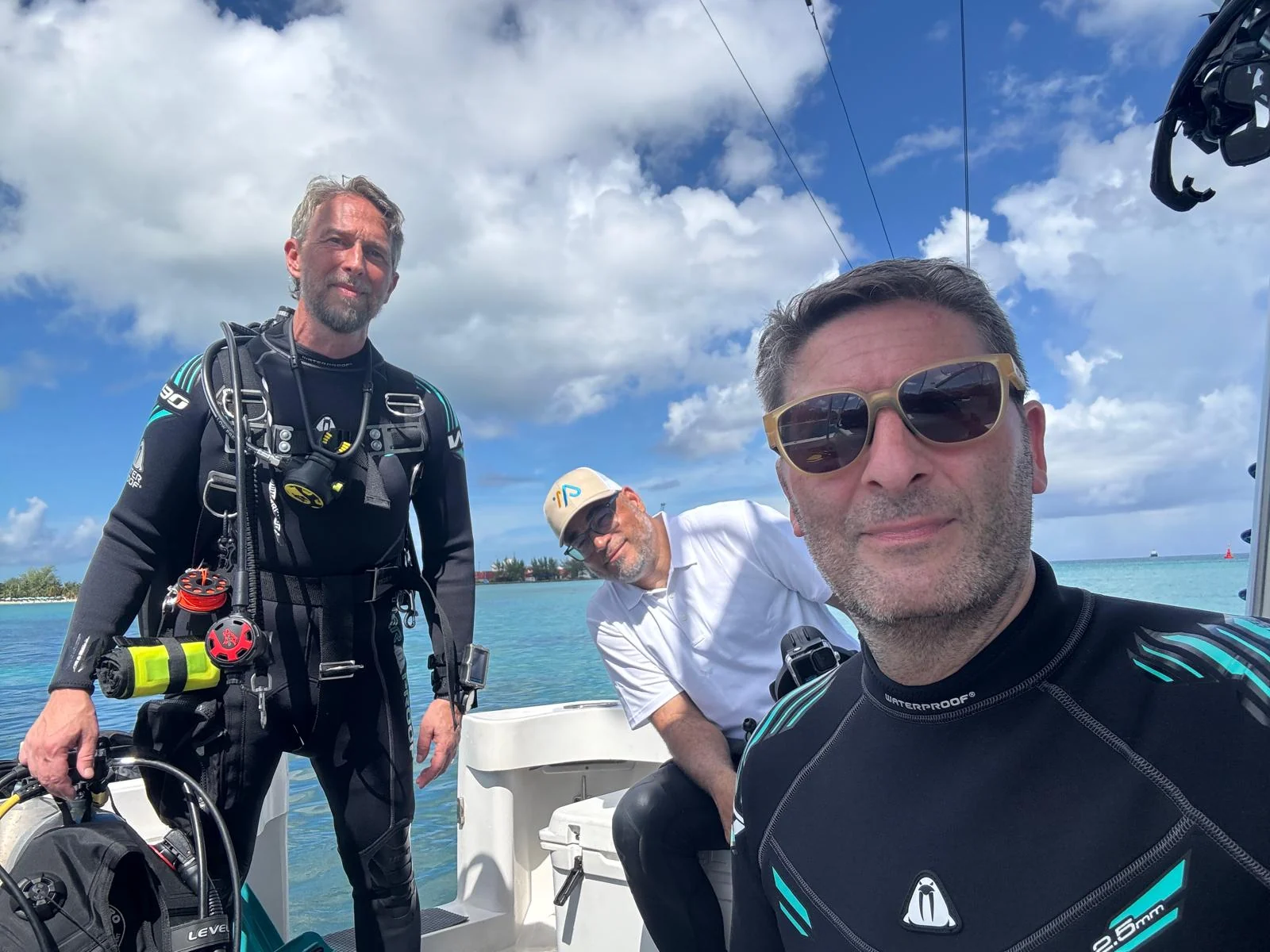
That work led to Mystery of the Pirate King’s Treasure, a five-part Wreckwatch TV documentary series following an expedition to Nassau, Bahamas, in search of archaeological evidence connected to the Golden Age of Piracy.
The expedition investigated the waters that once surrounded one of the most infamous pirate strongholds in the world and documented six wreck sites, including evidence that attracted international attention from outlets including The Guardian, The Hollywood Reporter, Smithsonian Magazine, CTV News, Global News, Live Science and others.
For Atkins, underwater filmmaking combines many of the elements that have defined his career: exploration, history, unpredictable field conditions and the possibility that something extraordinary might be waiting just beyond the camera.
Music, Culture and the Stories Behind the Stage
Another kind of history.
Atkins’ work has also taken him into the world of music.
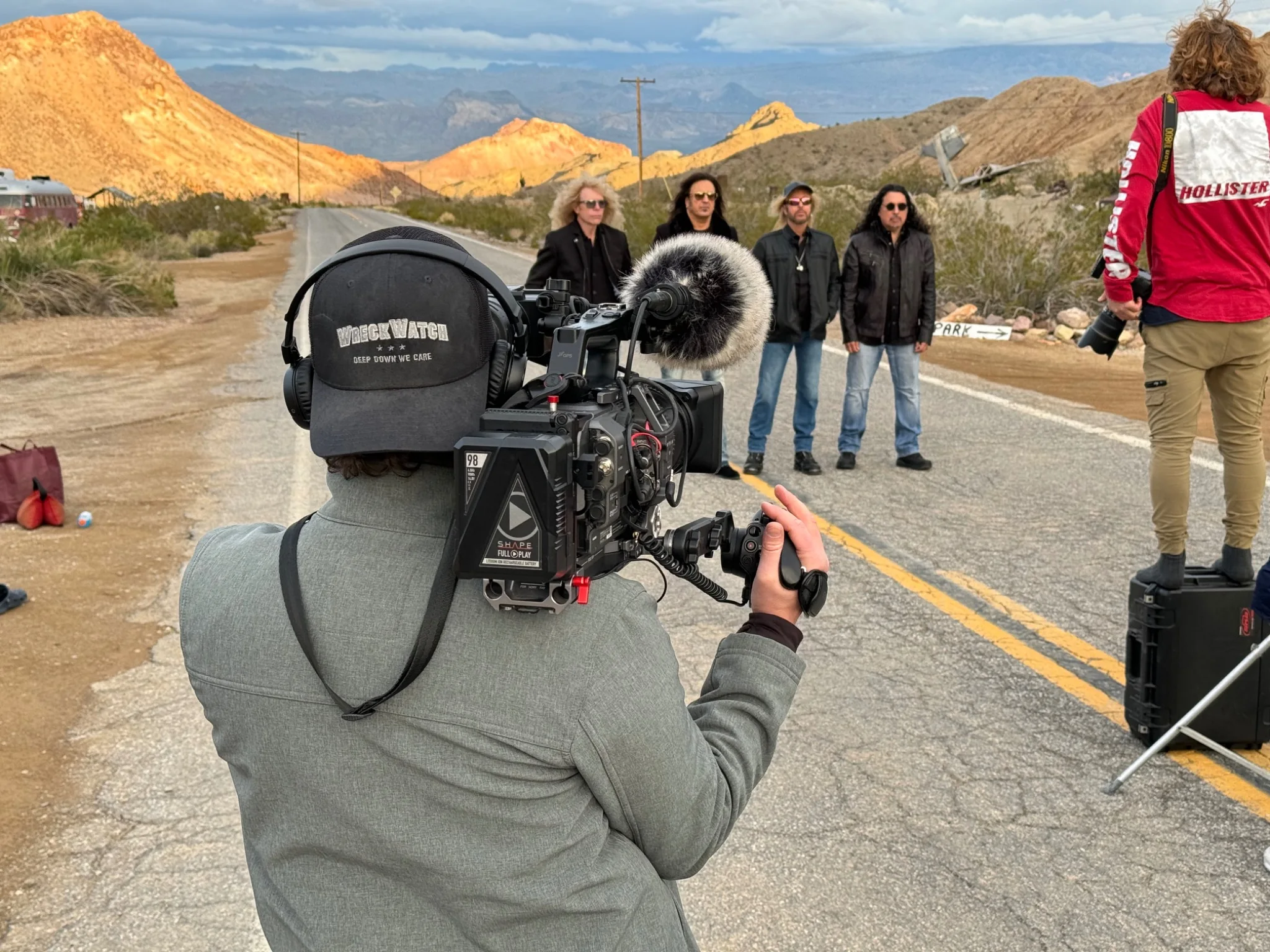
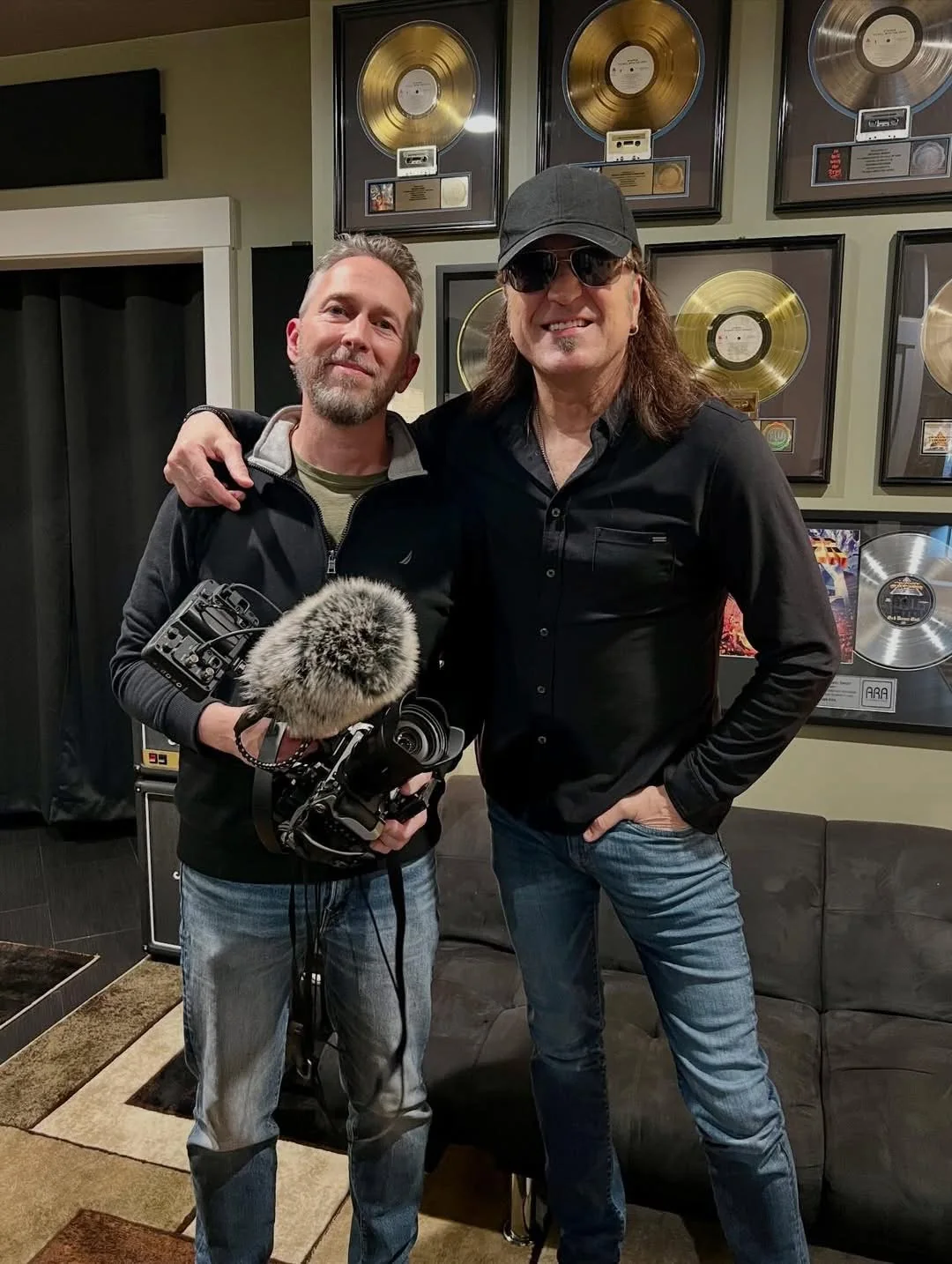
He is currently working on the official documentary about Stryper, the pioneering Christian heavy metal band that emerged from Los Angeles in the 1980s and became one of the most recognizable and controversial bands in Christian rock history.
The project has taken Atkins across North America interviewing band members, musicians, industry figures and others who witnessed the rise of the Christian metal movement.
It is another example of the kind of story that interests him: one where music, culture, belief, controversy and personal history intersect.
Filmmaker and Photographer
Still and moving images are part of the same instinct.
Although documentary filmmaking has been at the centre of his professional life, photography has always been part of the same visual instinct.
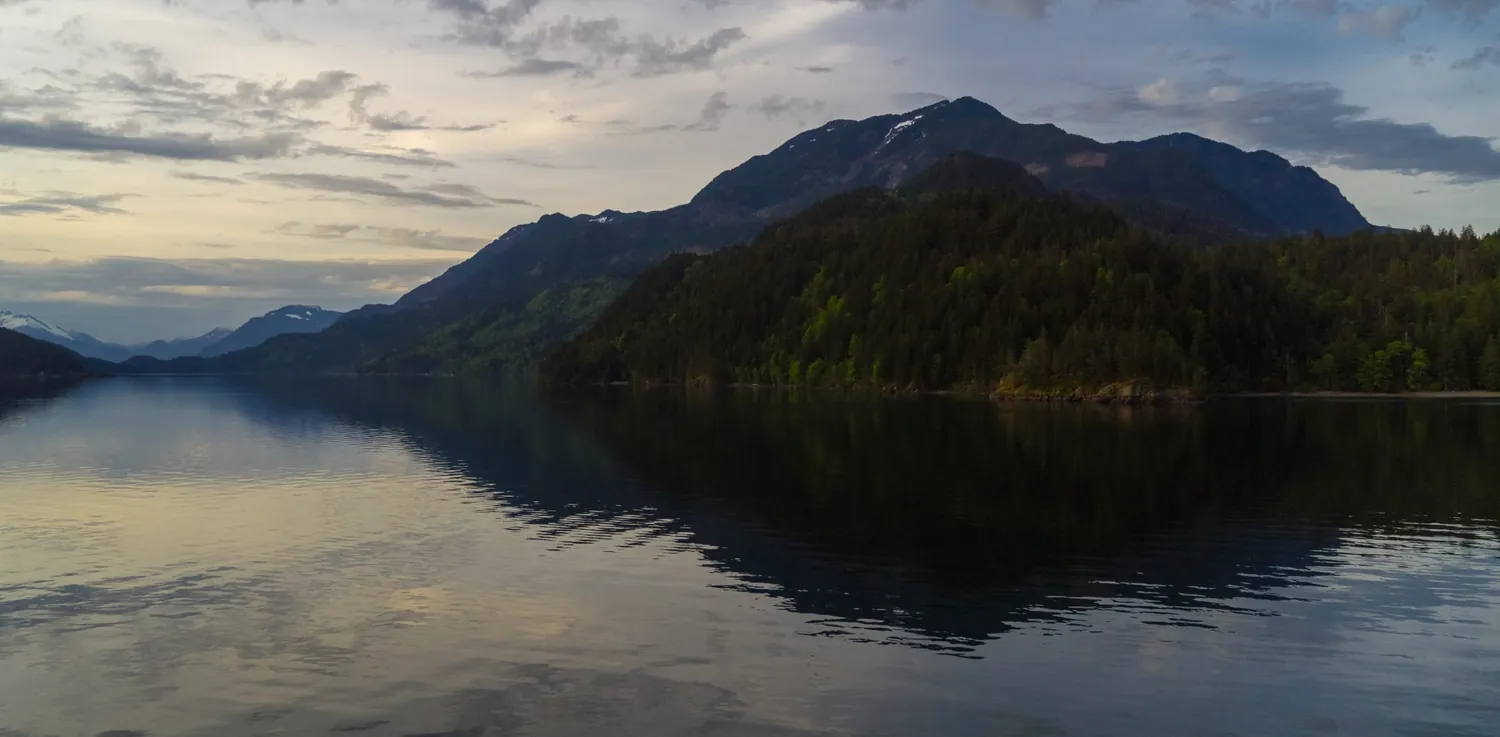
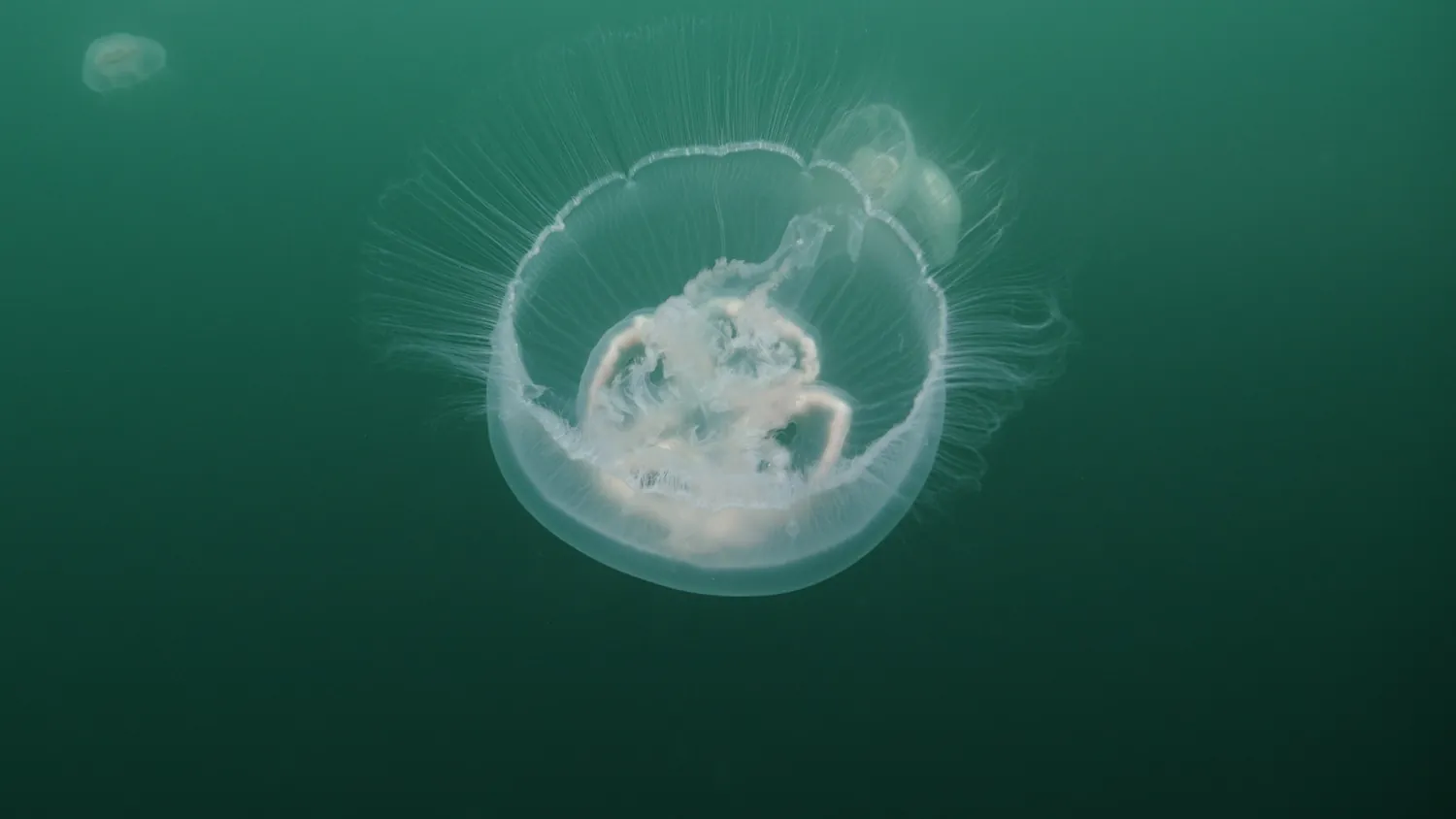
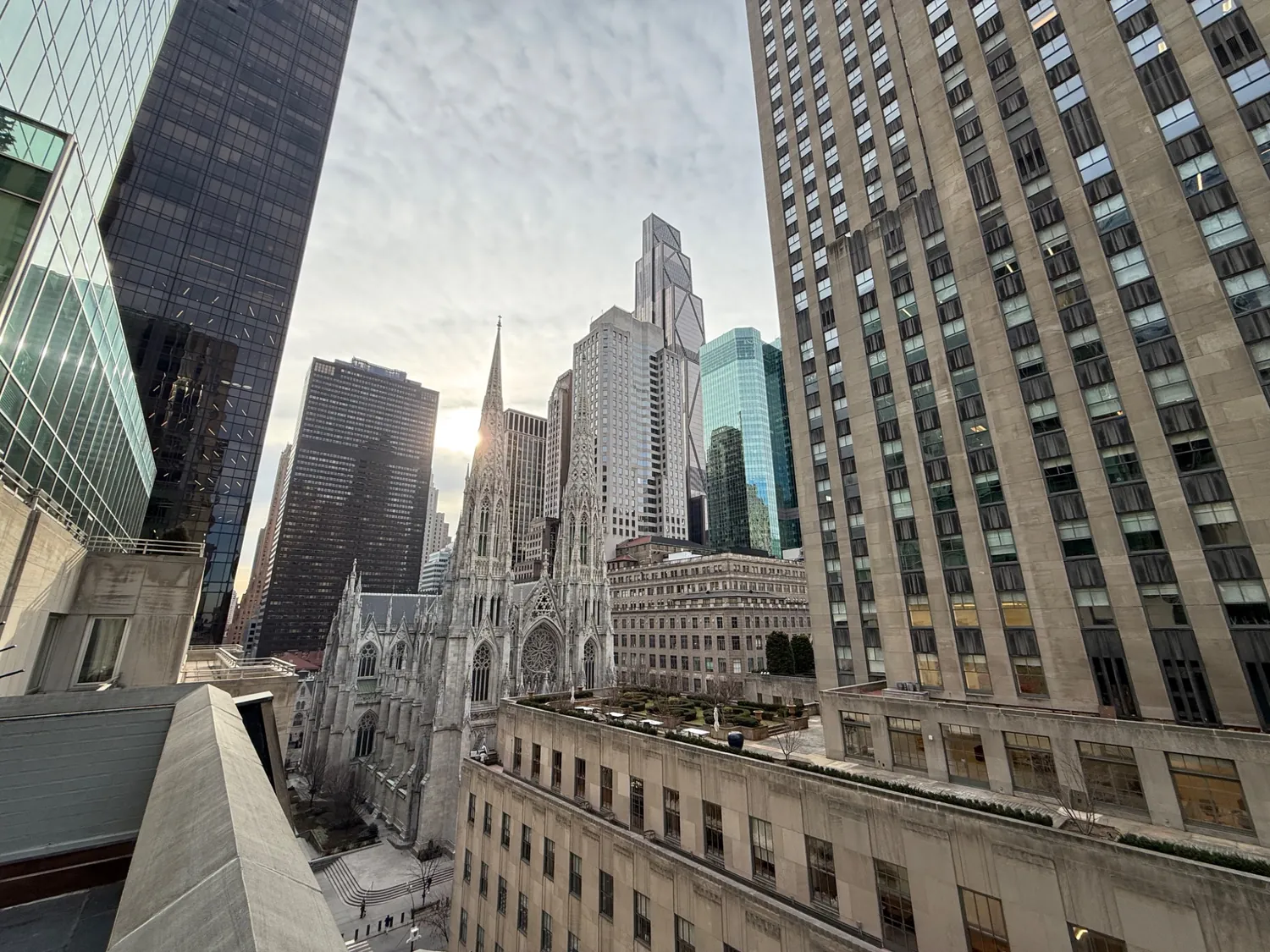
Atkins photographs the places he travels through: landscapes, architecture, people, cities, underwater environments and the often-overlooked details surrounding a production.
For him, the still photograph and the moving image are simply different ways of doing the same thing: paying attention.

Selected Recognition
Recent work and recognition.
The work continues across documentary, television, digital platforms and international festivals.
Silver · Directing
Dying To Live
Silver · Documentary
Dying To Live
Bronze · Film & Shorts
Dying To Live
Official Selection
Dying To Live
Still Looking for the Next Story
There is always another story worth telling.
After more than thirty years in production, Atkins continues to shoot, direct, edit and travel with much the same curiosity that took him to Siberia early in his career.
The technology has changed. Cameras have become smaller, editing has become faster and the ways audiences discover films have changed dramatically.
The reason for doing it has not.
There is always another person worth meeting, another piece of history worth uncovering and another story worth telling.